

How to install a hub dynamo
Learn how to install and wire your bike lights with a dynamo hub yourself.
> Jump to tools and materials
> Jump to step-by-step guide
> Jump to FAQs
Difficulty:

Advanced

See and be seen – a dynamo hub gives you a reliable source of power for your bike lights. Using a gravel bike as an example, our guide shows you how to install the lights yourself in just a few steps.
What you'll learn
- Preparation tips
1. Install the dynamo wheel
2. Mount the front light
3. Route the cable inside or along the fork
4. Prepare the cable ends
5. Attach the connector plug
6. Connect to the dynamo hub
7. Mount the rear light
8. Route the cable along the fender
9. Route the cable along or inside the frame
10. Shorten the cable
11. Prepare the cable ends
12. Connect the rear light to the front light - FAQ – Dynamo hubs for gravel bikes, commuting, and bikepacking


WHAT'LL YOU NEED
Tools
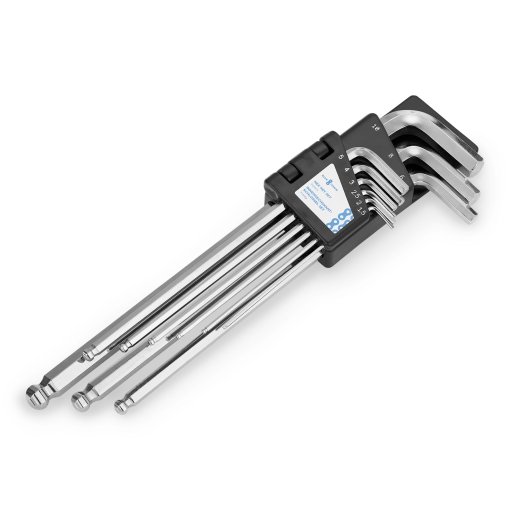
- Allen key set
- Torx key set
- 8 mm open-end wrench
- Slotted screwdriver
- Flush cutters or wire stripper
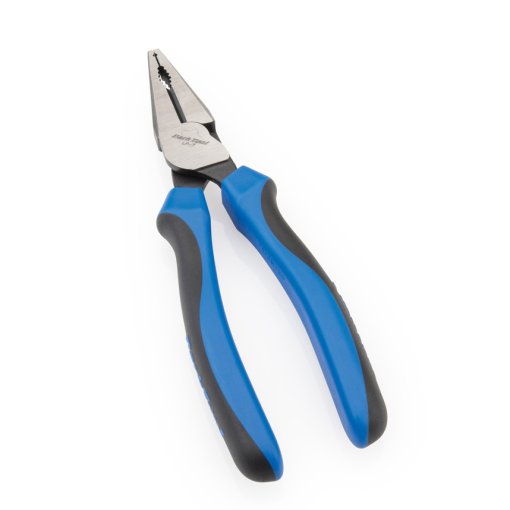
- Combination pliers or needle-nose pliers
- Lighter
- Torque wrench (optional)
- Repair stand (optional)
- Pick tools (optional)
- Internal cable routing kit (optional)
Materials and accessories
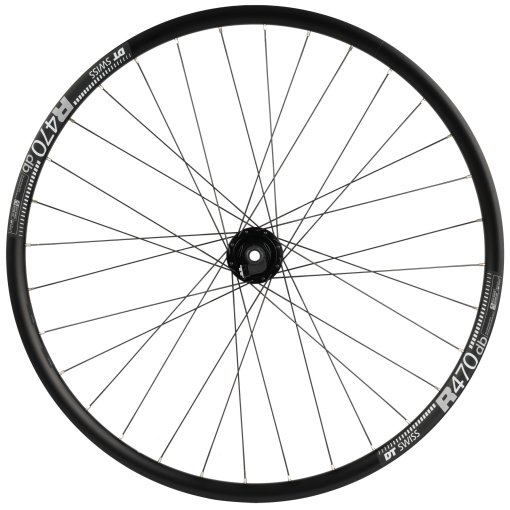
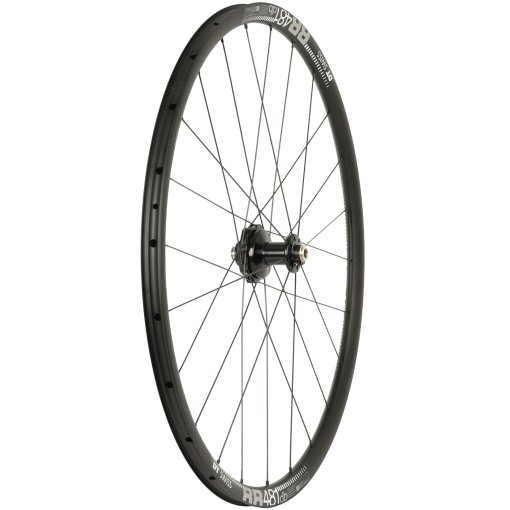
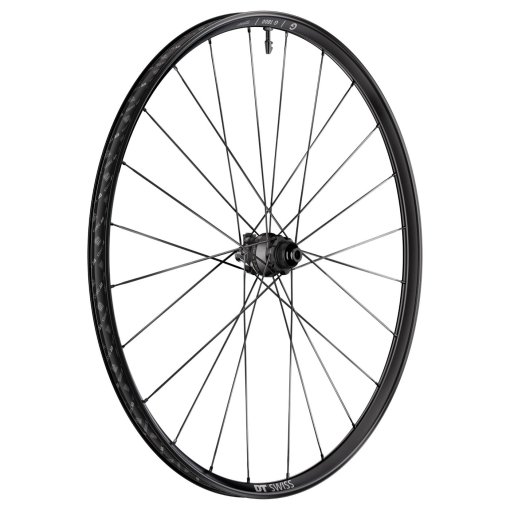
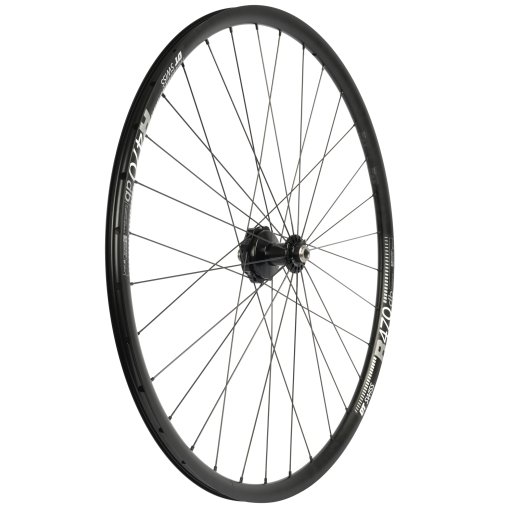
- Dynamo hub wheel
- Front light and, if needed, a rear light
- Electrical tape, cable ties or cable covers
- Brake cleaner and a cloth
- Two-core connection cable with flat connectors on one side
- 2x 2.8 mm female spade connectors and matching heat-shrink tubing

SIMON
Bike mechanic at BIKE24
Trail & Enduro rider
Our preparation tips
- Secure your bike: Put your bike in a repair stand or otherwise secure it so it can't fall over while you work.
- Check the cable routing: If you want to route the cables internally, check that your fork and frame have suitable cable ports and channels with enough space. If not, route the cables externally using electrical tape or adhesive cable clips.
- Prepare adhesive surfaces: Clean the frame and fork thoroughly before you start. Electrical tape and adhesive cable clips need a clean, grease-free surface to stay securely in place.
- Plan around your luggage: Fixed cable routing can get in the way of bikepacking bags. That's why many bikepackers use their dynamo hub only for the front light and USB charging, with a separate battery-powered rear light.
- Leave enough cable: Don't cut your cables too short. Leave enough slack so the cable never becomes taut when you turn the handlebars fully in either direction.

STEP 1
Install the dynamo wheel
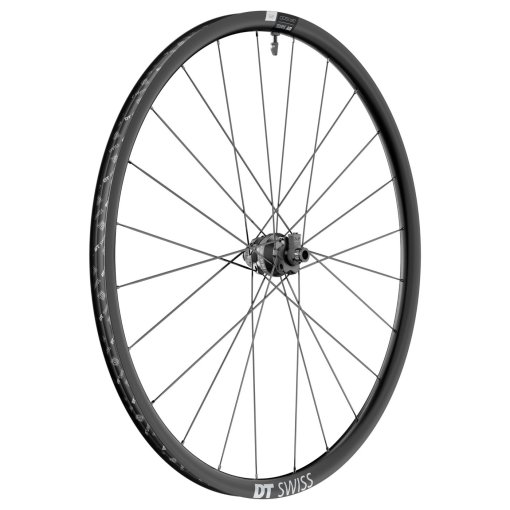
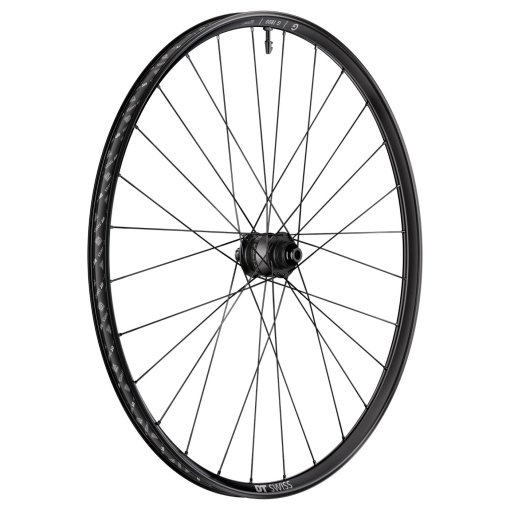
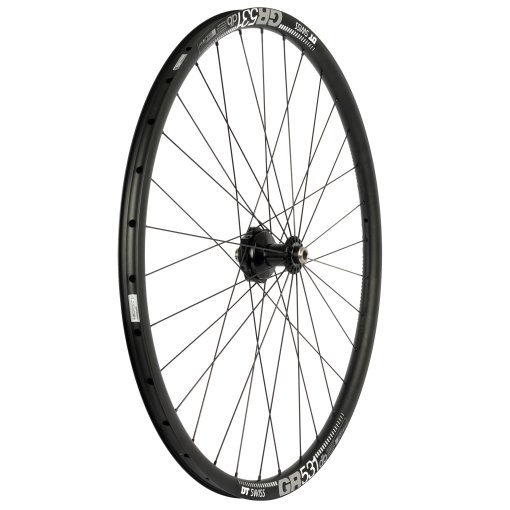
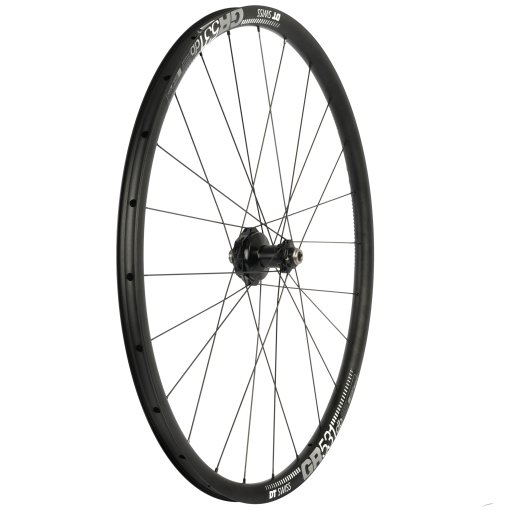
Remove the old front wheel and transfer your tire setup to the new dynamo hub wheel if needed. Mount the wheel firmly and centered in the fork dropouts. Position the contact plate so the connector can be attached easily in the next step.

STEP 2
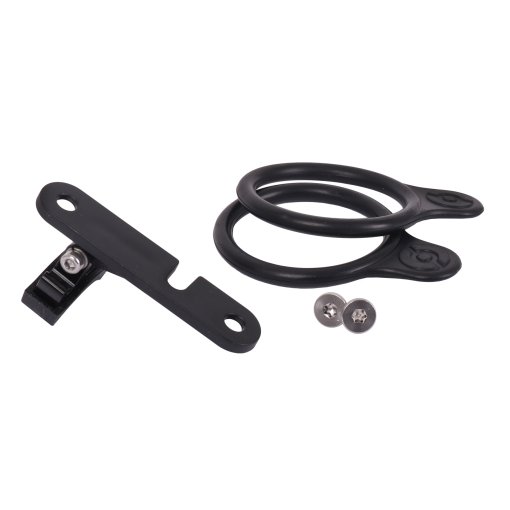
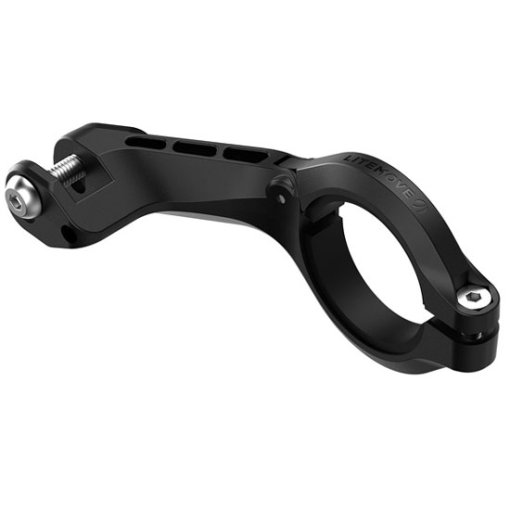
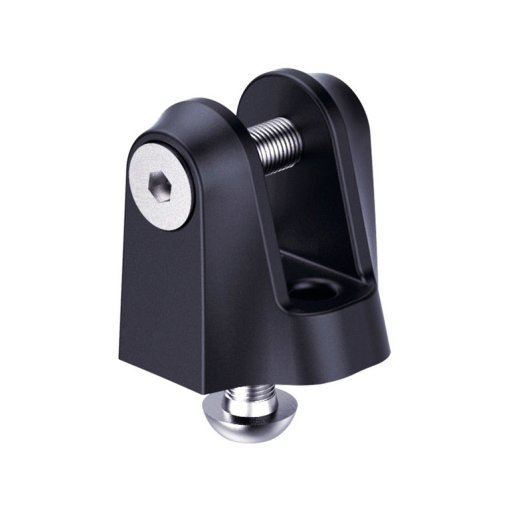
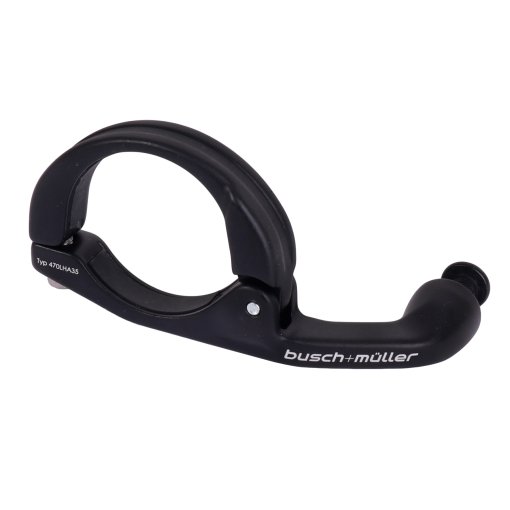
Mount the front light
Mount the front light at the fork crown or on a handlebar mount. Angle it so the tire sits as directly beneath it as possible – this sets the correct beam height.

STEP 3a
Route the cable inside the fork
Some modern carbon gravel forks have dedicated cable ports or internal channels for dynamo systems. Check your fork before starting – if internal routing is available, take advantage of it.

STEP 3b
Route the cable along the fork
Run the cable from the front light down the right fork leg toward the dynamo hub. Secure it with cable ties, electrical tape, or adhesive cable clips. Clean the fork leg thoroughly with brake cleaner before attaching anything. Make sure no cable sections are left loose when you're done.

STEP 4
Prepare the cable ends
Route the cable to the contacts on the dynamo hub. If it's too long, trim it slightly with the flush cutters. Separate the two wires by about 5 cm and strip about 1.5 cm of insulation from each wire. Then twist the exposed wire ends together.

STEP 5
Attach the connector plug
Open the plastic connector carefully with a flat-head screwdriver. Insert the black-and-white ground wire into the terminal marked "m" or "⏚" and the black positive wire into the opposite terminal. Fold the exposed wire ends over and close the connector firmly.

STEP 6
Connect the hub dynamo
Push the connector onto the hub until it clicks. Spin the wheel by hand – the front light should come on and be aimed so it doesn't dazzle oncoming traffic.

STEP 7
Mount the rear light
Mount the rear light on the fender, pannier rack, or seat stay depending on your setup. On gravel bikes used for touring, the most common positions are behind the seatpost or – if you're running bikepacking bags – on the seat stay near the brake caliper. If you've already run the rear light cable, connect the plug end to the light now before routing the rest.

STEP 8
Route the cable along the fender
No fenders? Skip to step 9. If your bike has fenders, run the cable along the inside and secure it with electrical tape. Clean the surface thoroughly before attaching anything.

STEP 9a
Route the cable along the frame
For external routing, secure the cable with cable ties, electrical tape, or adhesive cable clips. Clean the frame thoroughly with brake cleaner before attaching anything.

STEP 9b
Route the cable inside the frame
If your frame has internal routing channels, run the dynamo cable alongside the rear brake hose. Tape the cable to the brake hose with electrical tape and re-route both through the frame together. On larger channels, a spare cable housing fed in from one end can help pull the dynamo cable through.
Pro tip: Pick tools and an internal cable routing kit make this significantly easier.

STEP 10
Shorten the cable
Trim the cable toward the fork end if needed, but leave enough slack to turn the handlebars fully in both directions. If you need more movement at the front, wrap the cable around a screwdriver ten times to form a short spiral section.

STEP 11
Prepare the cable ends
Separate the two wires by about 5 cm and strip about 1.5 cm of insulation from each wire. Slide a piece of heat-shrink tubing (about 2.5 cm long) onto each wire before crimping. Crimp the flat connectors onto the wire ends with pliers, then slide the heat-shrink tubing over the connectors and heat it until it shrinks tightly around them.

STEP 12
Connect the rear light to the front light
Connect the rear light wires to the terminals on the front light. Make sure the wires are connected correctly – black-and-white ground to ground, black positive to positive. Spin the front wheel by hand. If both lights come on, the installation is complete. Don't forget to switch on the front light.
FAQs

Need help with your next project?
Get in touch with our customer service team. Our bike experts are happy to help.


Always up to date
Be the first to hear about deals, news, and cycling trends – delivered straight to your inbox.