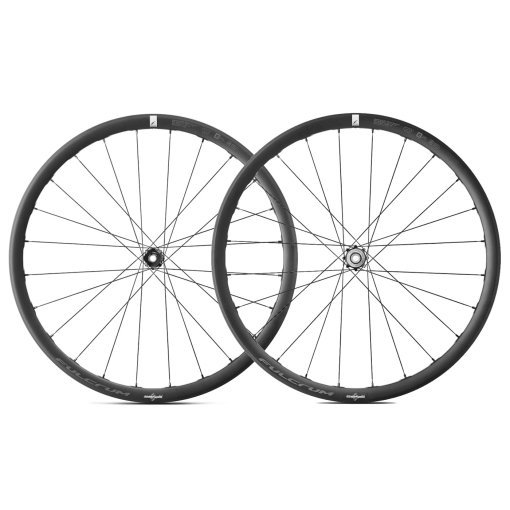
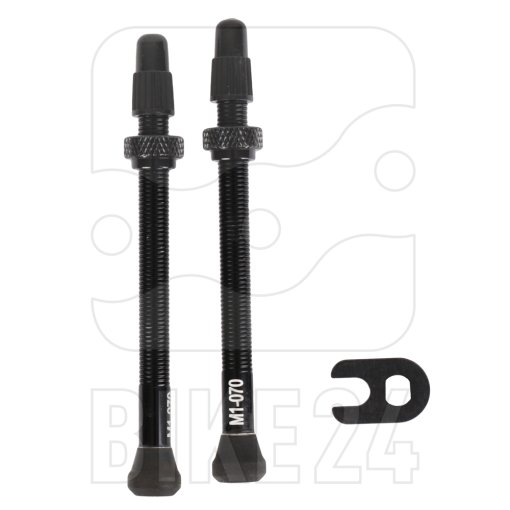
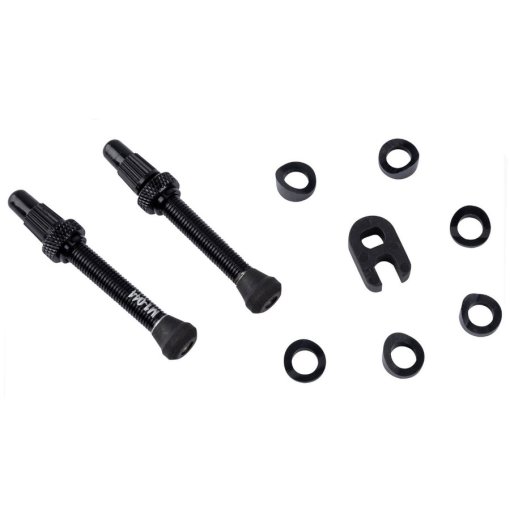
Fulcrum Sharq GR Wheelset - 28" | Carbon | Clincher | Centerlock - 12x100mm | 12x142mm - Shimano HG-L
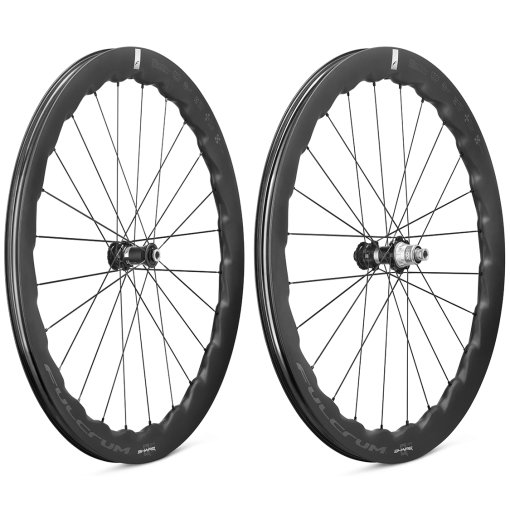
Fulcrum Sharq GR Wheelset - 28" | Carbon | Clincher | Centerlock - 12x100mm | 12x142mm - Shimano HG-L
Sharq is revolutionary and traditional at the same time.
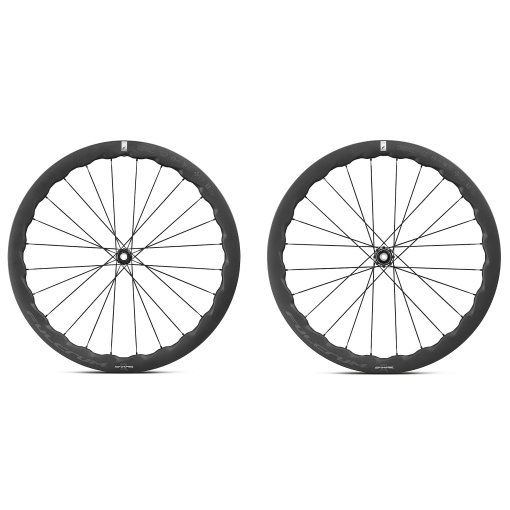
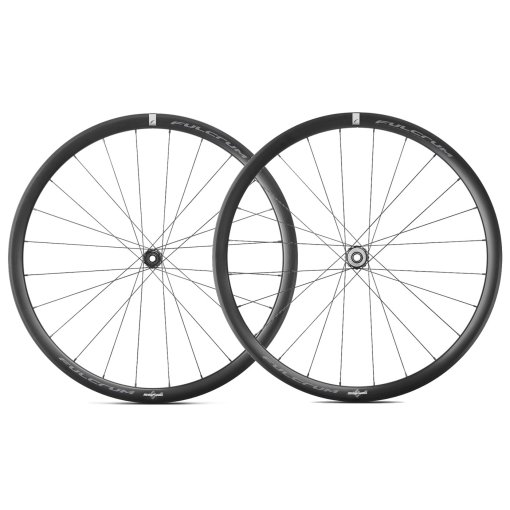
The Sharq GR was developed based on an analysis of countless race data points and experience from international gravel competitions. With a clear goal in mind, Fulcrum developed a wheelset that enables top speeds on rough terrain while offering greater control, precision, and a measurable advantage in terms of aerodynamics. At the heart of the design is the innovative 2-Wave rim with a 30 mm rim width and Mini-Hook. It is optimally tailored to wide gravel tires, improves their shape, increases the contact patch, and ensures greater stability. The variable rim profile with a height of 47/52 mm optimizes airflow, reduces crosswind susceptibility, and lowers drag. Featuring high-quality FF100 carbon fiber, hubs with cup-and-cone bearings, flat A3RO spokes, and the proven 2:1 lacing pattern, the Sharq GR combines maximum responsiveness, precise handling, and aerodynamic efficiency. Despite its robust construction, the wheelset weighs just 1550 g and is perfectly matched to modern gravel tires with widths ranging from 47 to 76 mm.
Technical Details of the Fulcrum Sharq GR Wheelset
- rims: Full carbon (FF100)
- tire type:
2-Way Fit (Clincher , tubeless compatible) - construction: with hooks (
Hooked ) - wheel size: 28 inches (700C)
- outer width: 36 mm / Inner width: 30 mm
- rim height: 47 mm / 52 mm
- hubs: Aluminum, with low flange and
"Real Axle Technology" - brake disc mount:
AFS / Centerlock - bearings: Cup-and-cone (tapered roller bearings)
- installation dimension: 12 x 100 mm / 12 x 142 mm (thru axle)
- spokes: Stainless steel (
Straightpull ; aero spokes) - spoke gauge: 0.8 x 3.0 mm
- number of spokes: 24 (front + rear)
- spoke pattern:
Two-to-One™ (2:1) - nipples: Aluminum
- weight: approx. 1,550 g (manufacturer information)
- max. system weight: 120 kg
While the DRSC™ system (
Butted stainless-steel spokes with self-locking aluminum nipples guarantee long-lasting, consistent performance and durability of the wheelsets. Twenty-four pieces of each type of spoke are used for each wheel, in accordance with the
| Product Name: | Fulcrum Sharq GR Wheelset - 28" | Carbon | Clincher | Centerlock - 12x100mm | 12x142mm - Shimano HG-L |
| Manufacturer: | Fulcrum |
| Item Code: | FUL774346 |
| activity: | Cycling |
| material: | Carbon |
| usage bikesport: | Allroad / Gravel |
| spokes: | A3RO | 0.8 × 3.0 mm |
| Number of Gears - rear: | 8, 9, 10, 11, 12 |
| wheel size: | 28" (622mm) |
| ASTM: | Category 2 |
| axle standard: | 12x100mm (FW), 12x142mm (RW) |
| Wheel version: | Wheelset, Wheelset 1300-1700g, Standard Wheel |
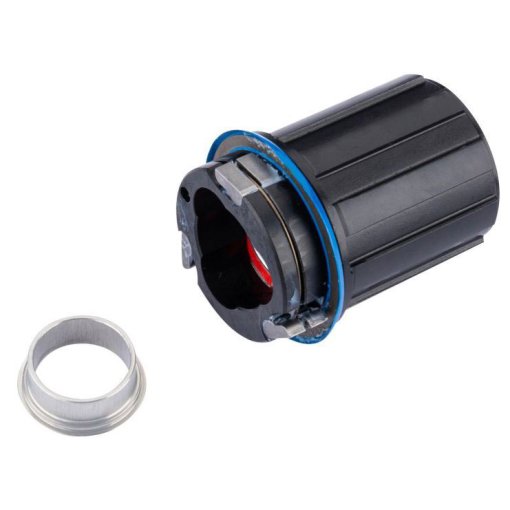
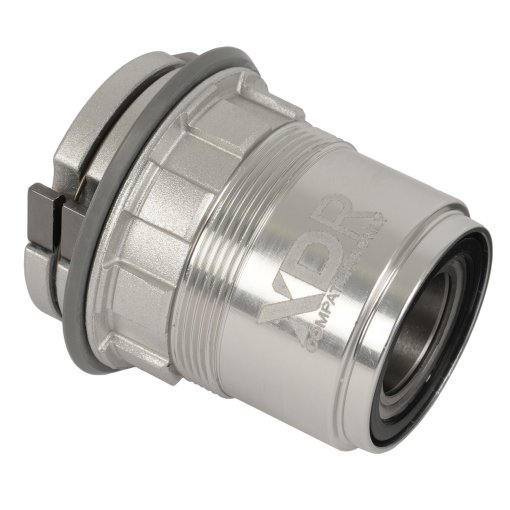
| Freehub Body: | HG L (Shimano 11/12s Road) |
| braking system: | Centerlock/AFS |
| fitting tire dimensions: | 47-76mm |
| ETRTO: | 30-622 |
| rim width: | 36mm |
| inner profile width: | 30mm |
| max. system weight: | 120kg |
| Model year: | 2026 |
| Color: | Black |
| weight: | 1550g |
| manufacturer item code: | SHQG-25D25CFRAS |
| Number of Spoke Holes: | 24 |
| Weight Source: | Manufacturer |
| Freewheel System: | Pawls |
| tire compatibility: | Clincher, Tubeless |
| Axle Standard: | 12 mm Thru Axle |
| Axle Installation Width: | 100 mm (FW), 142 mm (RW) |
| Manufacturer page: | http://www.fulcrumwheels.com/ |
Fulcrum
All products from FulcrumSocietà con unico socio
Via dell’Economia 103
36100 - Vicenza
Italia
+39 0444289306
info@fulcrumwheel