
In this guide:
Cross-country MTB racing basics
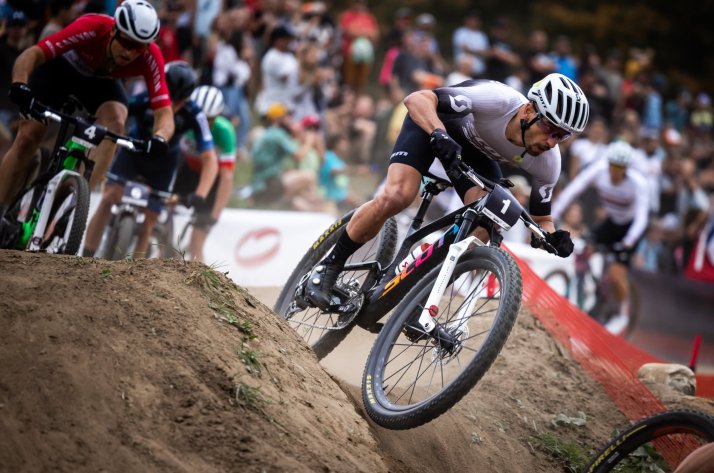
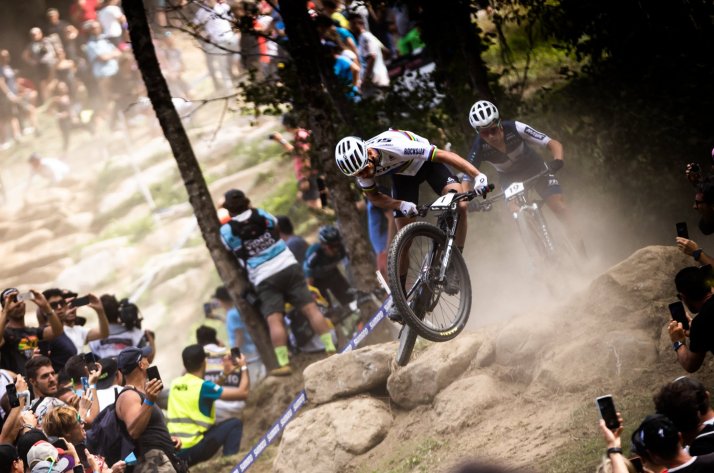
Head-to-head battles, photo finishes, and mud flying everywhere – XCO (Cross-country Olympic) is the discipline that puts every aspect of your racing ability to the test. The Olympic race format combines maximum endurance with technical skill and leaves little room for mistakes. Here's how an XCO race works:
- Race format:
- Mass start, with grid positions based on the current UCI rankings
- Riders attack from the very first minute
- Individual competition – every rider races for themselves
- Races are contested over a set number of laps or a set race time plus a final lap
- Lap length: 3.5–5 km (UCI Elite: 3.5–4.5 km)
- Lapped riders are removed from the race by officials, although amateur riders often continue riding to the finish
- The bell signals the final lap – and often sparks the fiercest sprint finishes of the race
- The course:
- Fast, lap-based courses where the pace increases with every lap – even the smallest mistake can drop you down the rankings
- Long climbs and short, explosive punchy sections where choosing the right gear can make all the difference
- Modern XCO courses demand not only endurance, but increasingly also enduro-inspired bike handling skills
- Technical descents featuring root-covered sections, rock gardens, drops, tight corners, and rocky terrain require maximum focus
- Artificial features such as jumps are also common on modern XCO courses, although the focus remains on a fast-flowing, rideable circuit
-
Other key facts:
-
Age-group classifications: you'll race against riders in your own age group
-
Pit stops: mechanics swap wheelsets, repair damage, or even hand over a completely new bike – often in seconds
-
XC Marathon – Long-distance racing
XC marathon (XCM) is the endurance-focused counterpart to Cross-country Olympic (XCO), combining long distances with technical terrain and strategic race pacing. Like XCO races, XCM events start with a mass start, but fields are often much larger, with well over 1,000 riders. Courses take in forest roads, natural trails, singletrack, and alpine terrain. Compared to XCO, you'll encounter fewer artificial features, while endurance and greater route variety take center stage. Courses either follow a longer lap or point-to-point route, bringing fewer opportunities to learn the course and more unexpected challenges.
Marathon distances begin at around 40 km, while competitive events typically range from 60 to 160 km and often include several thousand meters of climbing. Long-distance races generally start at 110 km and can reach extremes such as the Stoneman Miriquidi, covering exactly 162 km and 4,400 meters of elevation gain. These are true endurance tests where simply reaching the finish is often the biggest achievement. Success comes from pacing yourself and riding at a steady effort.
Many marathon courses are much like demanding full-day rides through rolling hills, forests, and nature parks. If you want to cover long distances efficiently while confidently handling technical sections, an XC mountain bike is a versatile choice. On gravel roads, forest tracks, and moderately technical singletrack, its excellent rolling efficiency and lightweight, stiff frame help you convert every watt into forward momentum.
What defines an XC or marathon MTB?
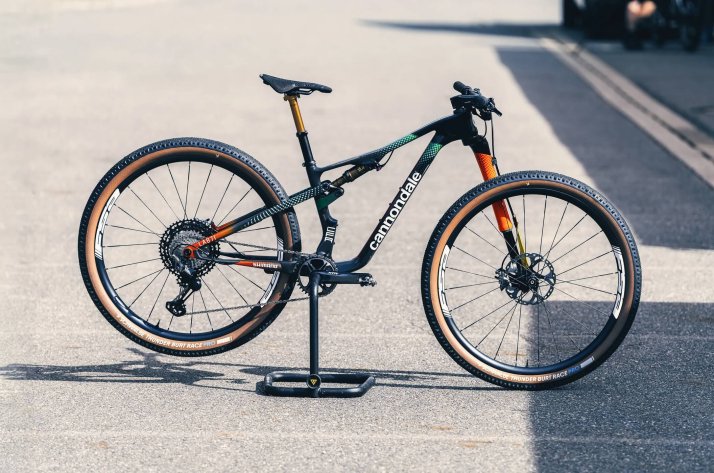
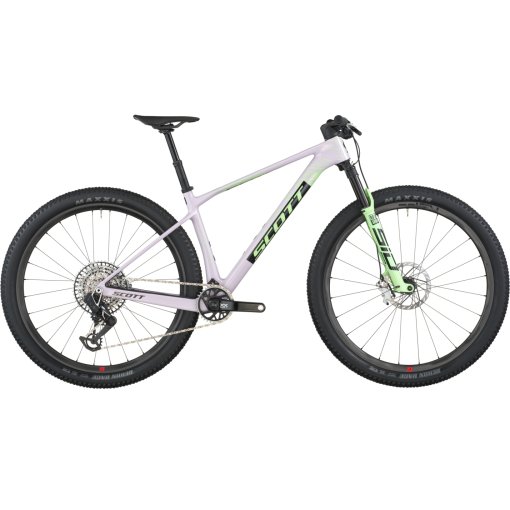
Modern cross-country mountain bikes combine low weight, high stiffness, and surprisingly capable trail performance. High-end race bikes often weigh in at under 10 kg. At the core is a lightweight carbon frame built for maximum efficiency and direct power transfer. XC full-suspension bikes with 110 to 120 mm of front and rear travel have become the standard at nearly every level of competition. Hardtails remain a strong choice for weight-conscious setups and fast marathon courses, while modern XC full suspension bikes continue to pull ahead on technical terrain with better traction, comfort, and control. Down-country bikes bridge the gap to even greater trail capability.
Do I need an XC full suspension bike or an XC hardtail?
The best choice depends on the type of riding you do most. If you mainly ride forest roads, gravel tracks, and smooth singletrack, an XC hardtail is the better option. But if your rides regularly include rocky trails, root-covered sections, and other technical features, an XC full suspension bike is the way to go.
Frame design and components in detail
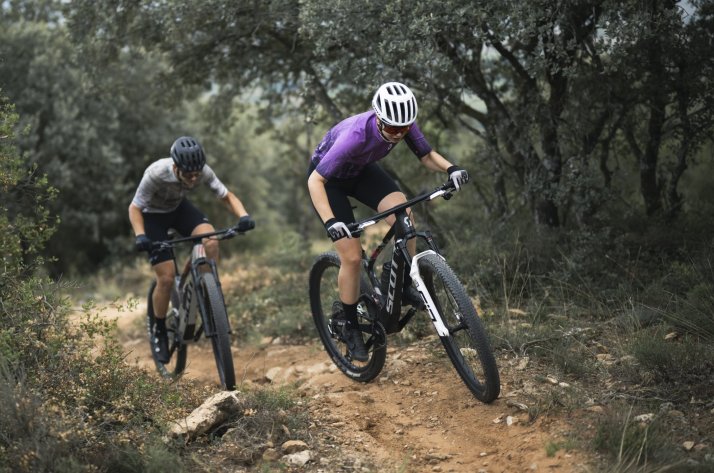
The frame is the foundation of every XC bike, with low weight as the top priority. Mid-range and high-end hardtails and full-suspension frames are almost exclusively made from carbon, available in a range of grades. At the entry level, aluminum offers an excellent balance of performance and value. But it's not just the frame material that defines a modern cross-country bike - geometry plays an equally important role. Slacker head tube angles, steeper seat tube angles, and longer wheelbases provide more control on technical trails without compromising climbing efficiency. At the same time, short chainstays keep handling agile and power transfer direct. Up front, 120 mm of travel, a low cockpit, and a less aggressively sloping top tube create an aerodynamic riding position. Modern XC full suspension bikes combine outstanding pedaling efficiency with enough capability to handle demanding race courses and technical trail sections. Beyond the frame itself, the wheels, suspension, drivetrain, brakes, and cockpit all play a key role in defining the bike's character.
Wheels & tires
- 29-inch wheels are the XC standard: Superior rolling efficiency and rollover capability on all types of terrain - agility takes a back seat.
- Carbon rims for race-ready setups: Minimal rotational weight and maximum stiffness, while aluminum rims offer a durable, cost-effective option for training and amateur racing.
- Tubeless is the modern race standard: No inner tubes, lower system weight, and lower tire pressures for more grip across changing terrain.
- 2.35-2.40" tires: Narrow, low rolling resistance, and a fine tread pattern optimized for hard, dry conditions - with limited side grip on loose surfaces.
Suspension
- 110-120 mm suspension forks: Plenty of travel for XC terrain when properly tuned, while lightweight stanchions and a slim chassis keep overall weight to a minimum.
- 110-120 mm air shocks for XC full suspension bikes: A supple suspension tune improves traction and control, while a firm pedaling platform maximizes efficiency on long climbs.
- Remote lockout: Lock out the suspension from the handlebar to climb without wasting energy. On newer systems, the suspension automatically opens again when it compresses (e.g. FOX, RockShox).
- Electronically controlled suspension: Systems such as RockShox Flight Attendant and FOX Live Valve Neo automatically adjust damping to match the terrain and riding conditions.
Drivetrain
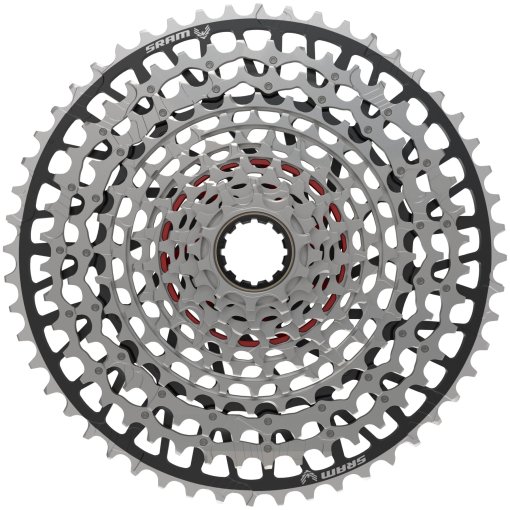
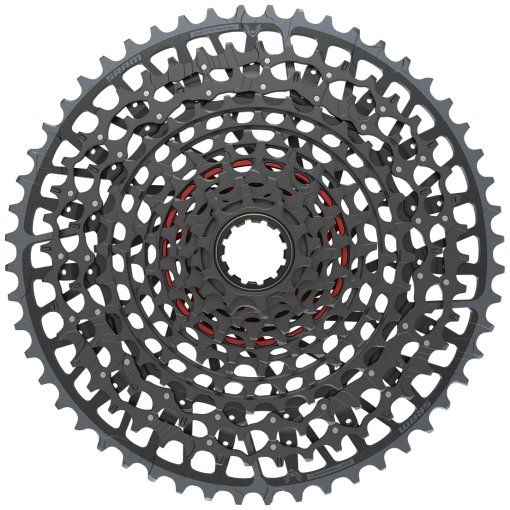
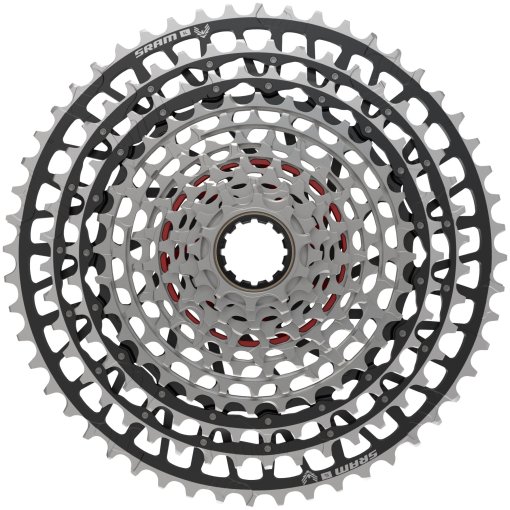
- 1x12 drivetrains are today's race standard: A single chainring up front paired with a wide-range 10-51T cassette delivers the gear range and reliability needed for racing.
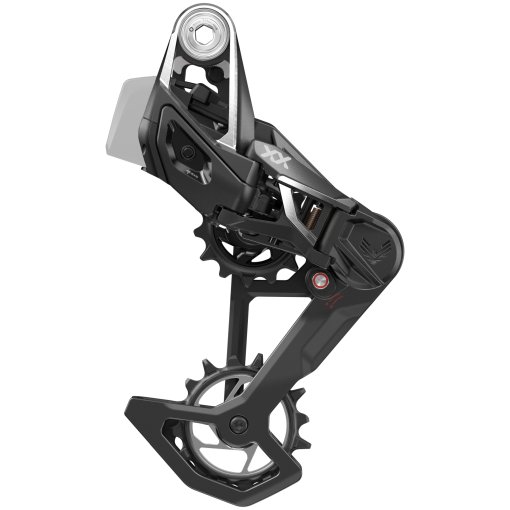
- Electronic groupsets such as Shimano XTR Di2 and SRAM Transmission (T-Type): Fast, consistently precise shifting with app-based customization.
Brakes
- 2- or even 4-piston disc brakes: XC-optimized weight with enough stopping power for demanding descents.
- 160-180 mm brake rotors: The ideal balance of low weight, consistent performance, and precise modulation.
- Modulation takes priority: Precise brake control instead of outright stopping power - essential for smooth line choice and maintaining traction.
Cockpit
- Integrated handlebar and stem: The race standard, delivering exceptional stiffness and precise control for descents and all-out sprints.
- Negative-rise stems: Create an aerodynamic riding position with direct, responsive steering.
- 740-760 mm flat handlebars: Wide enough for confident control, yet narrow enough to thread through tight trail sections.
- Race saddles: Minimal padding and low weight, optimized for quick transitions between seated and standing efforts.
- Dropper posts have become part of modern XC: Now standard on many bikes, they provide greater freedom of movement and more control on technical descents.
Down-country bikes – The next evolution of XC?
Down-country bikes bridge the gap between cross-country and trail bikes. With 120 to 130 mm of travel, more confidence-inspiring geometry, and more capable suspension, they deliver greater capability on technical terrain without sacrificing the efficiency of an XC bike. In terms of weight, materials, and components, they remain closely connected to their racing roots. That's no surprise – the first down-country models were largely based on existing XC platforms. Today's down-country bikes feature purpose-built frames and suspension platforms designed specifically for longer travel. Slacker head tube angles, steeper seat tube angles, more progressive shock tunes, and dropper posts – now standard on most models – give these bikes the confidence to tackle technical descents while maintaining excellent climbing performance.
On more demanding descents, the extra travel inspires greater confidence, while on smoother terrain these bikes encourage a playful riding style. Many models also come equipped with a dropper post – lower the saddle, shift your weight back, and you're ready to let the bike loose. To make the most of the geometry and suspension, and to prevent harsh bottom-outs on jumps, down-country bikes also feature higher-volume tires. Many models pair more aggressive tread patterns with dedicated front and rear tire combinations for the ideal balance of grip and rolling speed. With trail-ready weights of around 12 kg, down-country MTBs remain nearly as light as XC bikes. You'll notice the difference on long climbs and short accelerations, while the lower overall weight also helps conserve energy over the course of a full ride. If a trail or all-mountain bike feels like more bike than you need for your local forest trails, trail center, or nearby hills, a down-country bike could be the perfect alternative. And if you're an XC rider who's willing to trade a few seconds on the climbs for more speed and confidence on the descents, the extra travel lets you take faster lines and make up valuable time on the way back down.
Our tip: Pick up a second set of XC or marathon tires for your down-country bike, and you'll be ready for your next marathon whenever the opportunity arises.
Cross-country e-bikes – Faster to the finish?
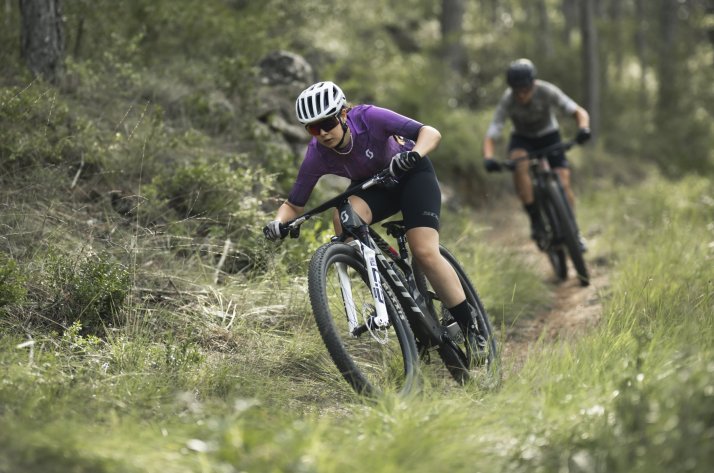
You're giving everything on the climb. Your heart rate is soaring, and you can hear the breathing of the riders around you. Then, out of nowhere, another rider flies past. Moments later, the discussion starts: was that an XC e-bike, or just an incredibly strong rider? Opinions on XC e-bikes vary widely, but where do they really fit in?
The fact is that many entry-level e-MTBs are hardtails with geometry and performance characteristics similar to those of XC mountain bikes. They also provide 250 watts of pedal assistance for around 50 km, with assistance up to a maximum speed of 25 km/h. That makes them ideal for shorter, less technical trail rides, as well as riders with limited time who want to get started with cross-country mountain biking. XC e-bikes are also a great option for older riders who want to enjoy the freedom of riding natural trails despite no longer having the same level of fitness.
What MTB apparel do I need for cross-country riding?
As mountain biking's most performance-focused discipline, cross-country demands apparel and equipment designed for maximum efficiency, much like road cycling. XC riders typically wear close-fitting, aerodynamic jerseys and bib shorts with a chamois pad. On their feet are lightweight, well-ventilated XC shoes with stiff soles and clipless compatibility for maximum power transfer. The trade-off is that they're far less comfortable to walk in than trail or enduro shoes.
A good pair of cycling glasses is another XC essential. They protect your eyes from wind, cold air, UV rays, dust, dirt, and flying debris, while helping prevent them from drying out on fast descents. On bright days, tinted or photochromic lenses are the best choice. For better ventilation and grip, most XC riders also wear fingerless gloves, which help absorb vibrations and improve control. Every rider knows the saying, "Protect your head - it's your most important piece of gear." And because XC helmets differ significantly from those used in other MTB disciplines, we've dedicated an entire section to them.
Cross-country helmets – Maximum ventilation, minimum weight
No other MTB discipline demands as much sustained power output as cross-country. When you're pushing up to 1,500 watts on a climb, keeping a cool head is essential. At the same time, the combination of high-speed sections and technical terrain leaves no room to compromise on safety. That's why the days of flimsy racing helmets are long gone. A modern XC race helmet features a lightweight half-shell design, with many models weighing well under 300 g. Despite their featherweight construction, they combine outstanding ventilation with an aerodynamic profile. Beneath the sleek exterior, advanced protection technologies such as MIPS and adjustable retention systems ensure a secure, personalized fit. Visors are typically kept small or omitted entirely on race-focused models to save even more weight.
MTB components for more performance and comfort
Think your XC or marathon bike is already dialed in? There's still more performance to unlock. Advances in materials and technology continue to push performance even further. Today's XC wheelsets are lighter and wider than ever, while modern suspension forks deliver excellent sensitivity without compromising stiffness or adding unnecessary weight. Ergonomics have also come a long way. Ultralight saddles weighing around 150 g combine pressure-relief channels and advanced damping technologies to deliver impressive comfort. Cockpit components remain focused on low weight, but updated handlebar and stem geometries also improve ergonomics and rider comfort. To help you find the biggest performance gains, we've rounded up the most effective upgrade options for your XC mountain bike:
- Wheels and tires – click here to jump to this section.
- Pedals
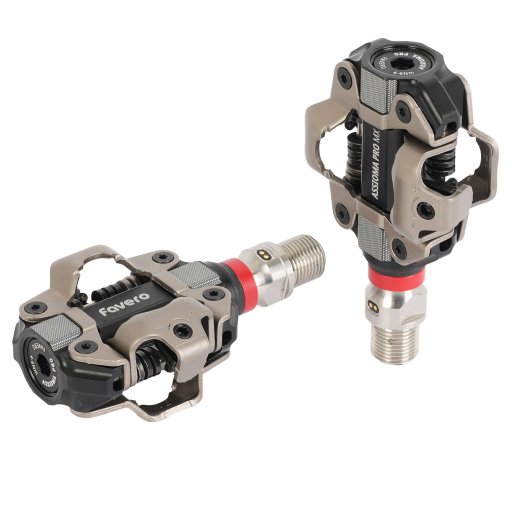
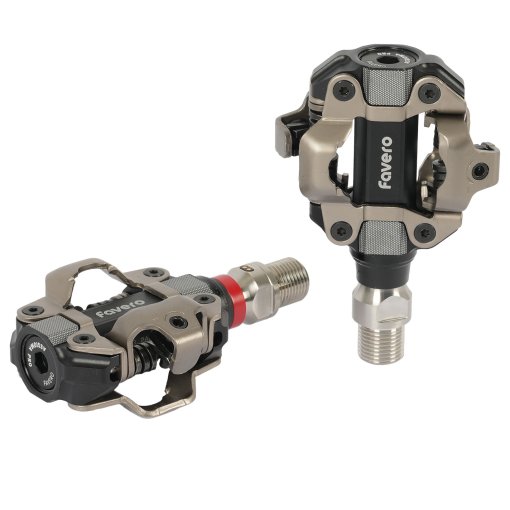
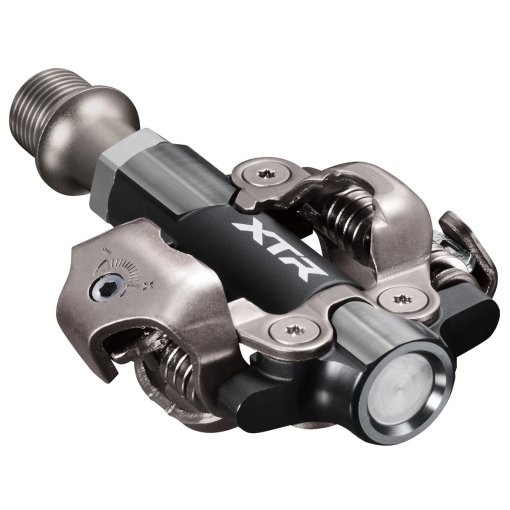
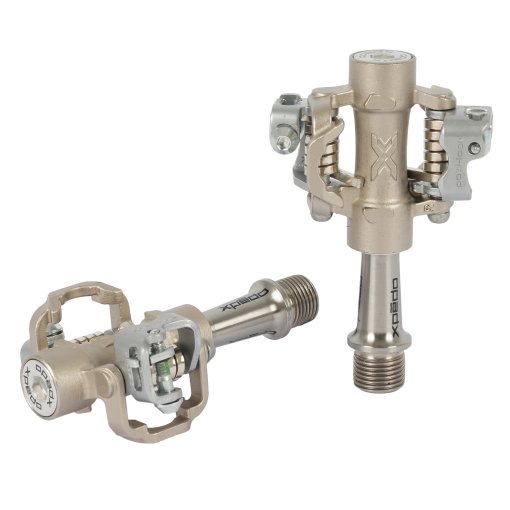
- Clipless pedals are the XC standard. The secure connection between shoe and pedal maximizes power transfer, especially on steep climbs. Ultralight models with titanium axles can weigh less than 200 g per pair.
- Suspension fork and rear shock
- Mid-range and high-end XC suspension components are significantly lighter than entry-level models while offering more advanced damping adjustment. This lets you fine-tune your suspension to stay firm and efficient on climbs - whether seated or out of the saddle - before opening up quickly and almost completely on the descents.
- Handlebars and stem
- Handlebar width, stem length, and stem angle should all match your riding style and fit. Once you've found the right dimensions, it's time to choose your material. High-quality aluminum alloys such as 7075 offer an excellent balance of weight, performance, and value, while carbon handlebars and integrated bar-and-stem combinations push weight even lower and maximize stiffness.
- Drivetrain – learn more here!
- Crankset
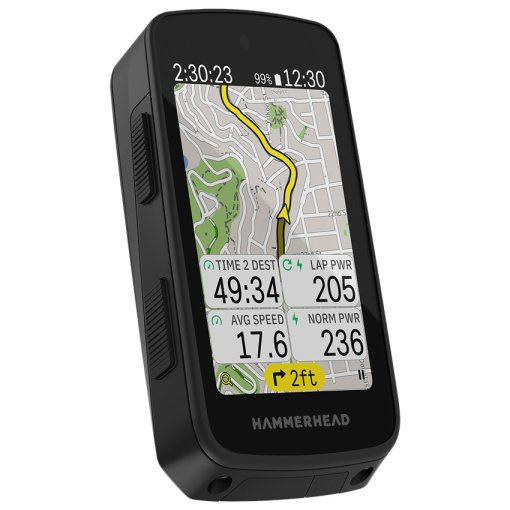
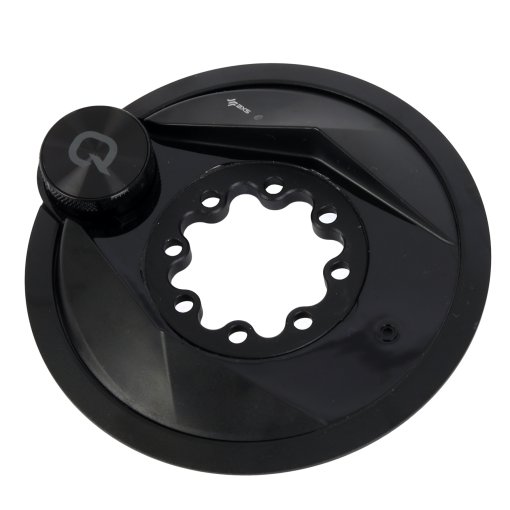
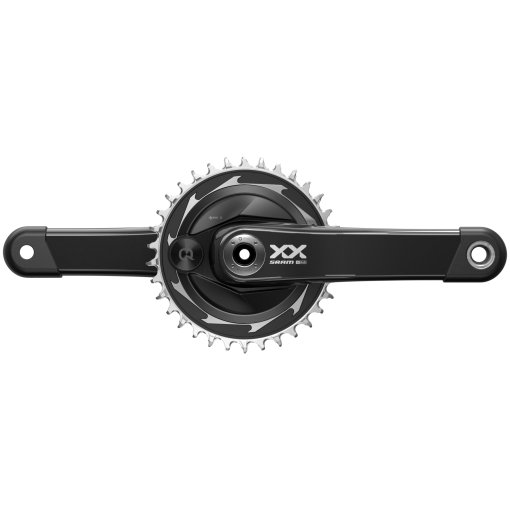
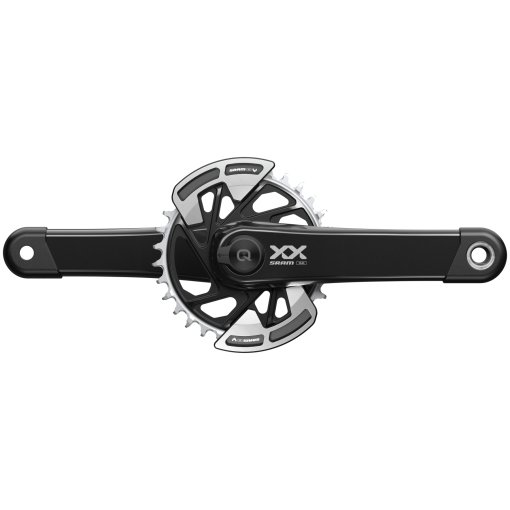
- The crankset is another key component of any cross-country bike. The trend is toward lightweight machined aluminum models or carbon cranksets with hollow crank arms. Many manufacturers also offer integrated power meters or retrofit options, allowing you to monitor your power output and train more effectively.
- Seatpost
- Dropper posts have become firmly established in cross-country riding. Operated from a handlebar remote, they let you lower the saddle on the fly for greater freedom of movement, control, and confidence on technical descents. XC-specific models use lightweight carbon components and shorter travel options to strike the ideal balance between performance and weight.
- Grips and saddle
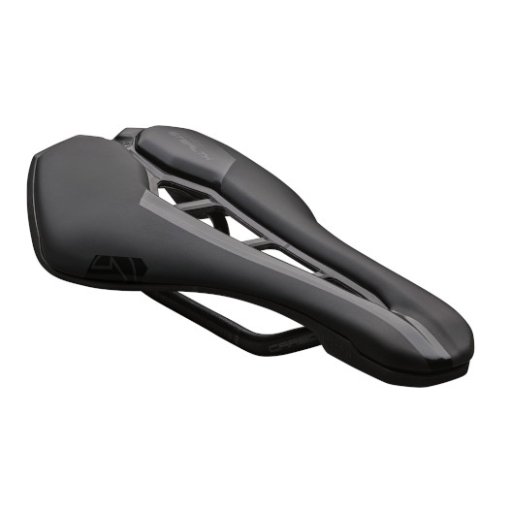
- Even the best bike won't perform at its best if the contact points don't suit your anatomy. Lock-on grips with improved vibration damping, the right diameter, and comfortable materials can make a remarkable difference. Saddle shape is equally important, as even a perfectly adjusted saddle may not be the right fit for you. Before trying a new saddle, measure your sit bone width - or have it measured at your local bike shop - to find the best match.
- Brakes – learn more here!
Unbeatable – Lightweight XC wheelsets
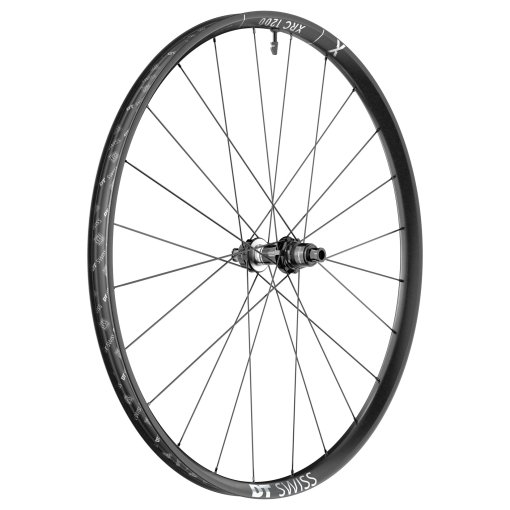
Less rotating mass improves acceleration, climbing performance, and handling all at once. High-quality XC wheelsets achieve this with lightweight rims, optimized spoke patterns, and modern hub designs. Boost hub spacing and thru-axles provide the stiffness needed for precise handling without adding unnecessary weight. Today's carbon wheelsets combine low weight, outstanding durability, and precise steering – qualities that excel in racing as well as demanding training rides. A full-carbon XC wheelset can weigh less than 1,200 g (without tires) while still offering exceptional rim strength.
Modern XC wheelsets typically feature an internal rim width of 27 to 30 mm. This provides better tire support, improves cornering stability, and allows lower tire pressures for increased grip and traction. Tubeless setups have long since become the standard, reducing overall system weight, minimizing the risk of punctures, and allowing tire pressure to be fine-tuned for changing terrain and trail conditions.
The fastest MTB tires
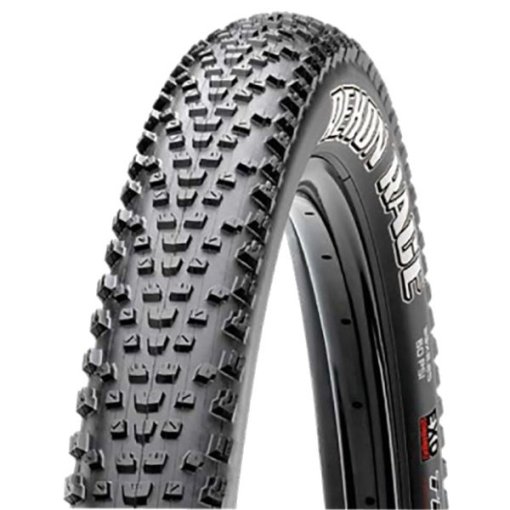
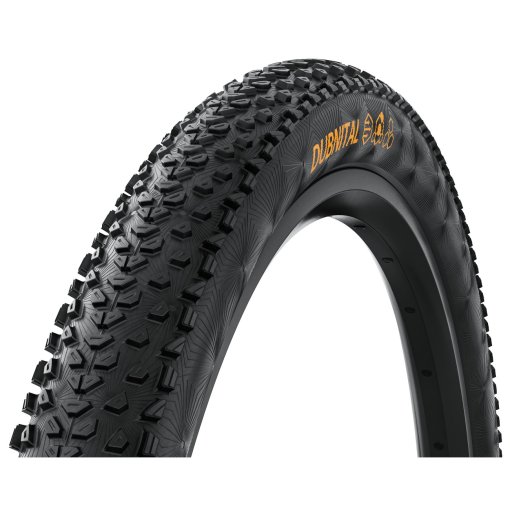
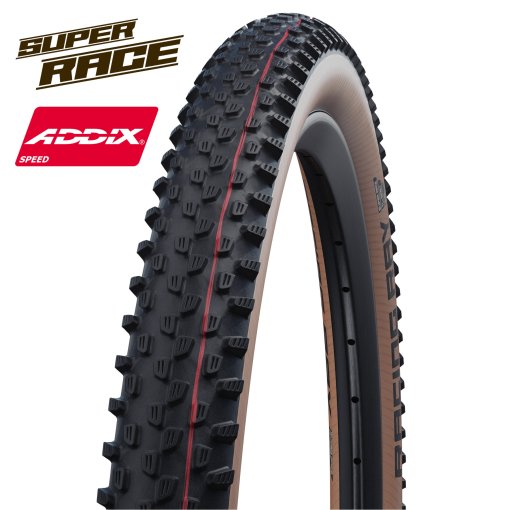
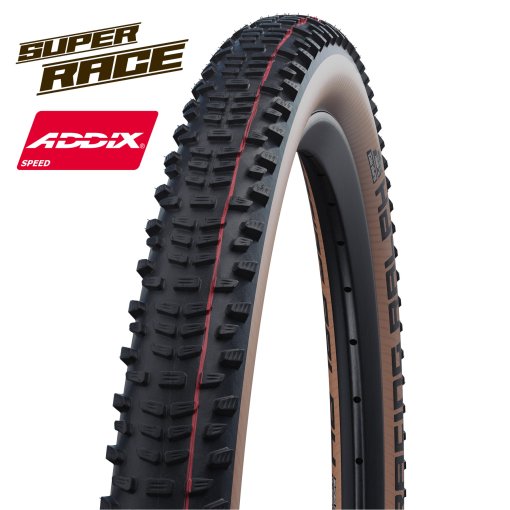
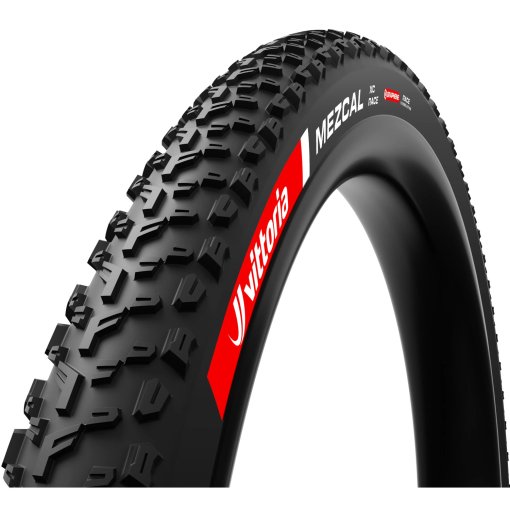
When it comes to rolling efficiency, your tires make the biggest difference. The right XC tires are designed to minimize rolling resistance without compromising performance. Switching from wire-bead to folding tires saves a significant amount of rotating weight – around 200 g per tire. If you're already running folding tires, choosing a fast-rolling tread pattern and a speed-optimized rubber compound can improve efficiency even further. Going tubeless is another popular upgrade. Many existing wheelsets – and almost all new ones – are already tubeless-ready. All you need to do is check that your tires are compatible, or upgrade to a new set of tubeless-ready tires and a tubeless conversion kit. On the trail, tubeless setups reduce rolling resistance by minimizing tire flex, lower the risk of punctures and pinch flats, and allow lower tire pressures for increased grip and comfort.
Drivetrain upgrades – Shift like the pros
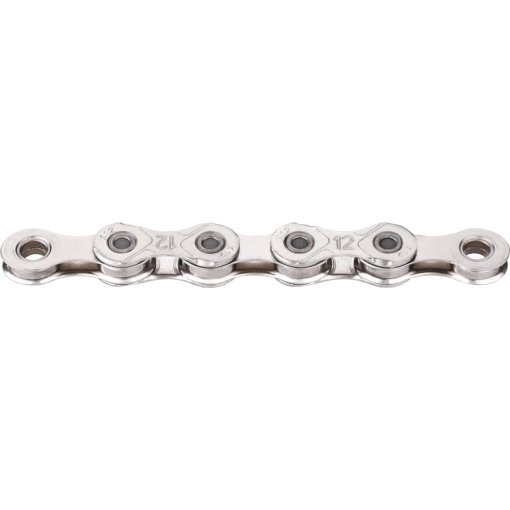
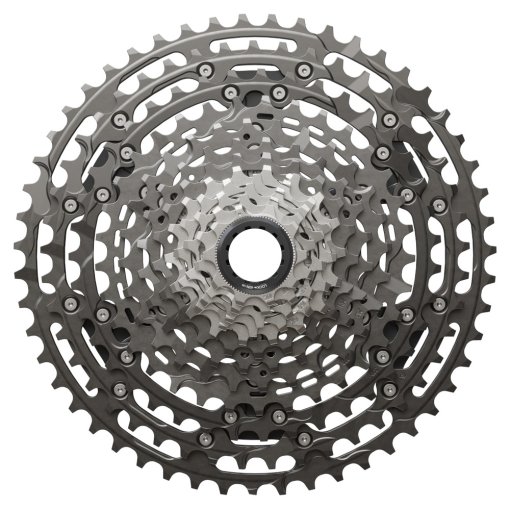
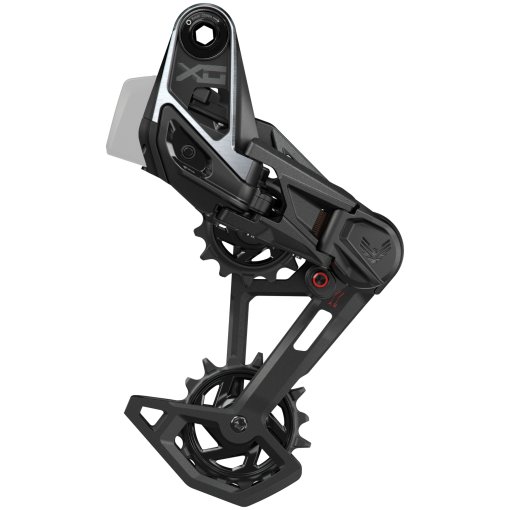
1x12 drivetrains have long been the standard in cross-country racing. Their combination of a wide gear range, low weight, and outstanding reliability has made front derailleurs virtually obsolete in competition. All modern groupsets shift reliably, but the real difference becomes apparent under load. Mid-range and high-end groups deliver fast, smooth, and consistently precise shifts thanks to tighter manufacturing tolerances in the derailleur and shifter, along with optimized cables. Electronic drivetrains have also become firmly established in XC racing. Systems such as SRAM Eagle Transmission and Shimano XTR Di2 deliver exceptionally precise shifting while remaining unaffected by cable tension or cable wear. They also let you customize shift behavior and controls to suit your preferences. Wireless high-end groupsets further reduce weight while using premium materials throughout.
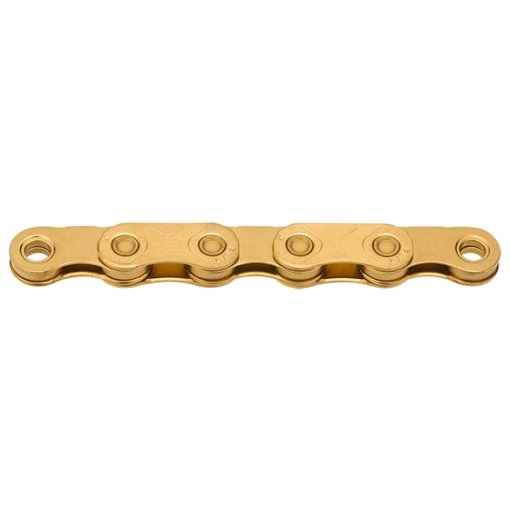
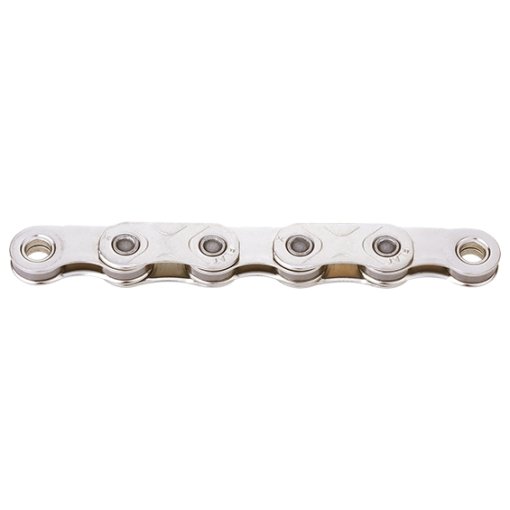
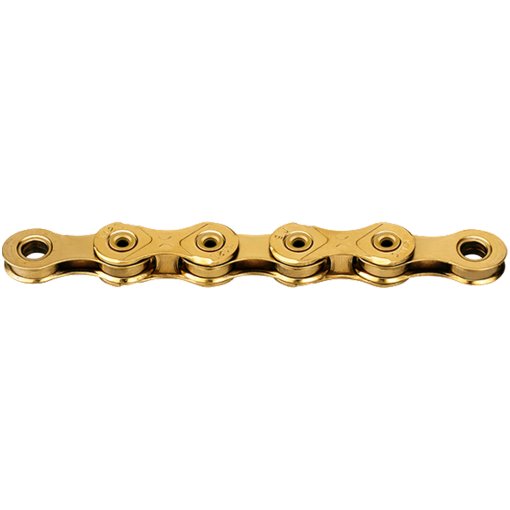
Look a little closer, and it's the details that set the best drivetrains apart: carbon shift levers and derailleur cages, ceramic bearings for minimal friction, tighter cassette spacing across the mid-range gears, a 10-tooth high-speed cog, and oversized pulley wheels that reduce drivetrain losses. As a rule, the higher the drivetrain's specification, the better the materials and alloys – and the longer it will withstand demanding riding conditions. Many drivetrains can also be upgraded with a lighter cassette, chain, and chainring, or fitted with an aftermarket oversized pulley cage for even greater efficiency.
The ideal balance of braking power and low weight
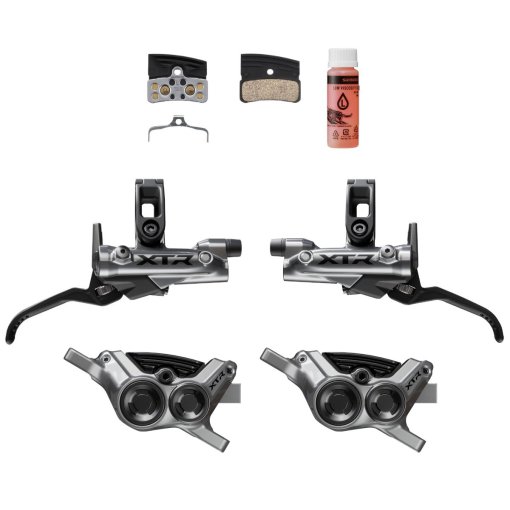
A new set of brakes can improve braking performance while reducing weight and offering greater adjustability. High-quality XC 2-piston disc brakes use lightweight aluminum brake calipers and levers, with carbon brake levers available on premium models. Top-tier brakes also feature ultralight titanium hardware, while two-piece brake rotors with aluminum carriers and stainless steel braking surfaces help reduce weight even further. Larger, better-sealed pistons, low-expansion brake hoses, and optimized organic or metallic brake pads deliver reliable stopping power in all conditions. Modern XC disc brakes also come standard with reach adjustment, while some models offer bite point adjustment for even finer control.